Dangerous Medical Abbreviations That Cause Prescription Errors
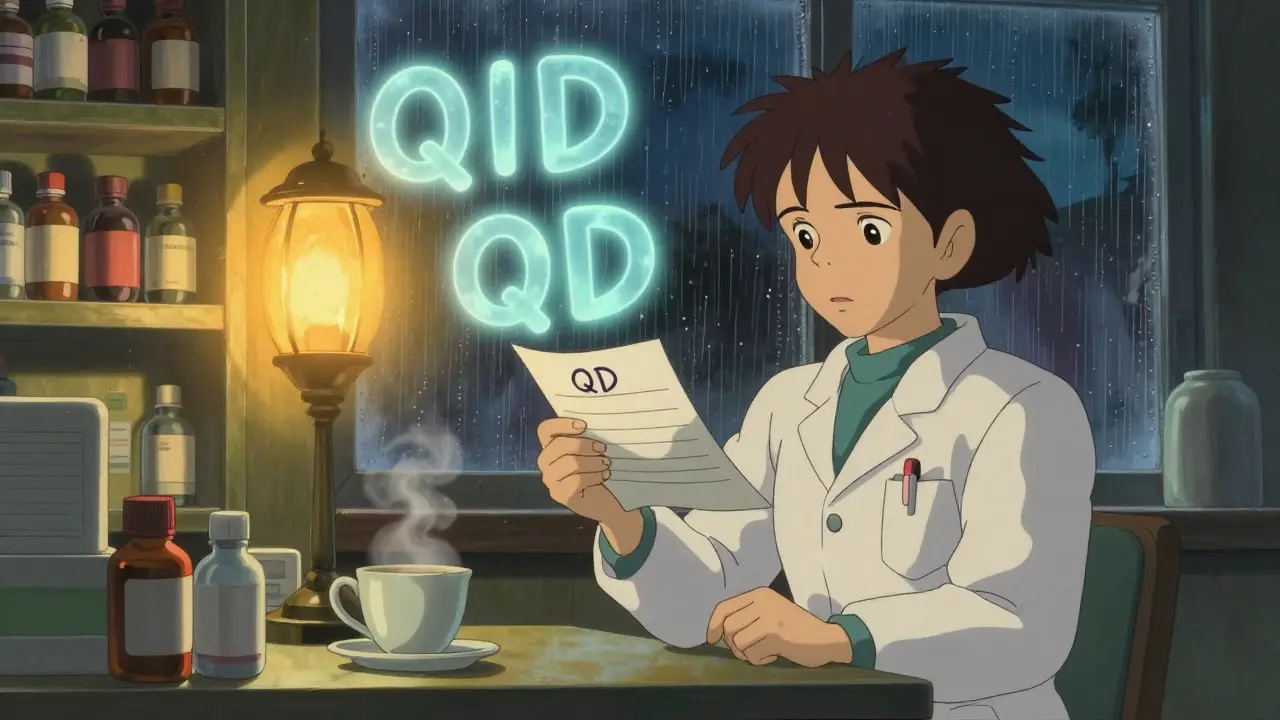
Dangerous medical abbreviations like QD, U, and MS cause preventable errors that lead to overdoses and deaths. Learn which ones to avoid, why they’re still used, and how to stay safe.
Learn how to talk to your doctor about staying on a brand medication when generics cause side effects or reduced effectiveness. Get practical tips, communication strategies, and insurance advice.
The FDA uses therapeutic equivalence codes to determine if generic drugs can be safely substituted for brand-name medications. Learn how AB and B codes work, why they matter, and what patients should know.
Digoxin generics may be bioequivalent on paper, but individual absorption varies - making therapeutic drug monitoring essential to avoid toxicity or treatment failure in heart patients.
Learn how to work with your doctor to safely stop unnecessary medications, reduce side effects, and save hundreds or even thousands of dollars a year on prescriptions through deprescribing.
Pharmacists must stay current on generics to ensure safe substitutions and comply with state laws. Learn what CE is required, how to choose effective training, and why knowing the FDA Orange Book matters more than ever.
Cyclosporine nephrotoxicity is a leading cause of kidney transplant failure, but it's preventable with accurate drug level monitoring and regular kidney function checks. Learn how to track levels, avoid dangerous interactions, and protect your graft long-term.
Most statin-related liver enzyme elevations are harmless and don't require stopping medication. Learn when to worry, which statins are safest, and why continuing treatment protects your heart.
Caffeine can make your medications less effective or cause dangerous side effects. Learn how coffee interacts with warfarin, thyroid pills, antidepressants, and more-and what to do to stay safe.
In 2025, Medicare Part D caps out-of-pocket drug costs at $2,000, saving seniors hundreds on generics. Learn how copays, premiums, and plan choices affect your savings.