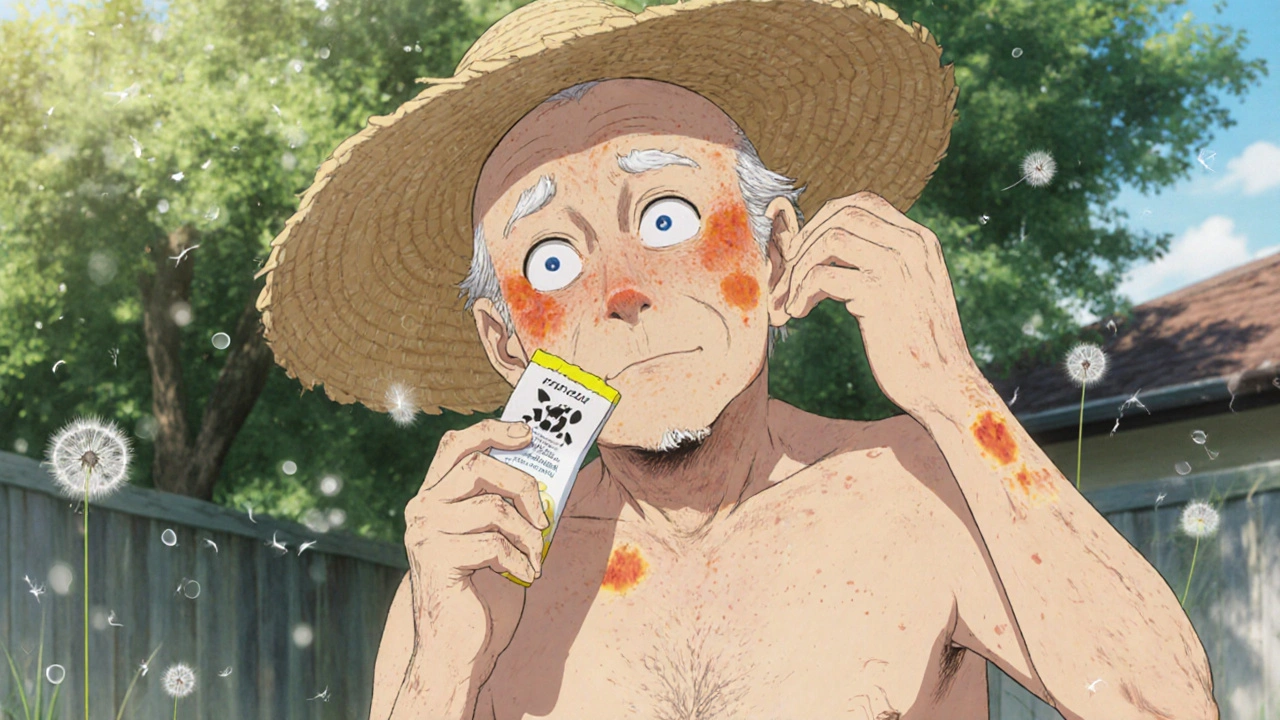
Actinic Keratosis: Causes, Risks, and What You Can Do About It
When your skin has been beaten down by years of sun exposure, it doesn’t just wrinkle—it can develop actinic keratosis, a rough, scaly patch on sun-exposed skin that’s considered a precancerous lesion. Also known as solar keratosis, it’s one of the most common skin conditions in people over 40, especially those who’ve spent decades outdoors without proper protection. This isn’t just a cosmetic issue. Left untreated, about 10% of these patches can turn into squamous cell carcinoma, a type of skin cancer that spreads if ignored.
Actinic keratosis doesn’t show up overnight. It builds slowly, often starting as a tiny, sandpaper-like spot you might rub off thinking it’s dry skin. Common spots? The face, ears, scalp (especially if you’re bald), neck, forearms, and backs of hands. People with fair skin, light hair, or blue eyes are at higher risk, but anyone who’s had repeated UV exposure—even through windows or tanning beds—is vulnerable. It’s not just about beach days. Think daily commutes, outdoor work, or even sitting by a sunny window. The damage adds up.
What makes actinic keratosis tricky is that it often shows up with other signs of sun damage: freckles, wrinkles, or uneven skin tone. And because it’s usually not painful, many people don’t notice it until a doctor points it out during a routine checkup. That’s why regular skin exams matter. Early detection means simpler treatments—like topical creams, cryotherapy, or light therapy—that can stop it before it becomes cancer.
There’s a direct link between UV exposure, the main trigger for actinic keratosis and how quickly these lesions develop. The same UV rays that cause sunburn also damage the DNA in your skin cells. Over time, those errors pile up, and your body’s repair system gets overwhelmed. That’s why sunscreen isn’t optional—it’s your first line of defense. But sunscreen alone isn’t enough. You also need to avoid peak sun hours, wear hats and protective clothing, and check your skin monthly.
And while actinic keratosis is common, it’s not inevitable. Many people reverse early signs with consistent sun protection and medical treatments. Dermatologists have effective tools: 5-fluorouracil cream, imiquimod, ingenol mebutate, and photodynamic therapy. These don’t just remove the patch—they help clean up the surrounding damaged skin to prevent new ones.
What you’ll find below are real, practical guides from people who’ve dealt with this. You’ll read about how actinic keratosis connects to other skin conditions, what treatments actually work, how to spot the warning signs before it’s too late, and what to ask your doctor if you’ve been told you have it. There’s no fluff—just clear, no-nonsense info from real cases, so you know exactly what steps to take next.