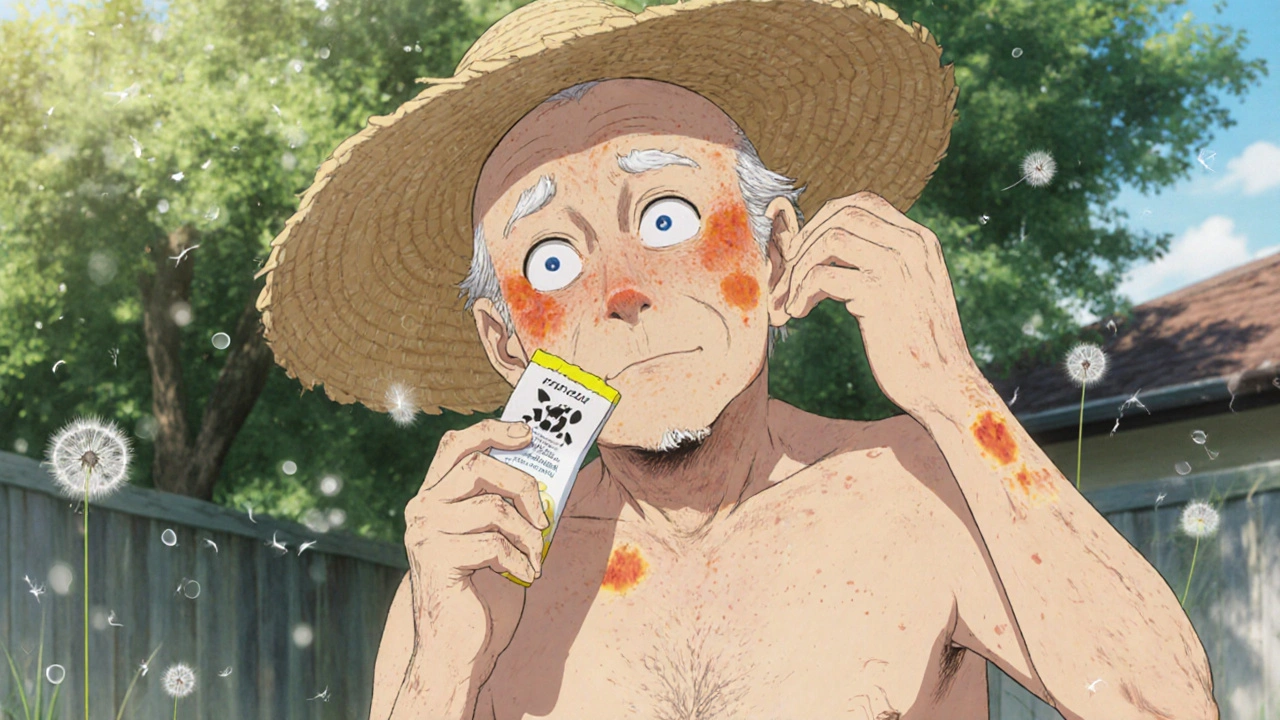
Sun Protection: What Works, What Doesn’t, and How to Stay Safe
When you step outside, your skin is exposed to UV radiation, invisible rays from the sun that cause skin damage, premature aging, and increase skin cancer risk. Also known as ultraviolet light, it’s not just a summer problem—UVA rays penetrate clouds and windows year-round. Sun protection isn’t just about slathering on lotion at the beach. It’s a daily habit that stops damage before it starts.
Not all sunscreens are the same. Look for broad-spectrum protection—that means it blocks both UVA and UVB rays. SPF 30 blocks about 97% of UVB rays; SPF 50 blocks 98%. Higher numbers give you a tiny bit more, but no sunscreen blocks 100%. Reapplying every two hours matters more than chasing SPF 100. And don’t forget: sunscreen, a topical product that absorbs or reflects UV radiation to protect the skin. Also known as solar cream, it’s only effective if you use enough—most people apply half the amount needed. A shot glass full for your whole body? That’s the rule. Spray-on versions? They’re easy to miss spots with. Rub it in. Cover your ears, the back of your neck, and the tops of your feet. These are the spots that burn first—and often get overlooked.
Shade, hats, and clothing matter too. A wide-brimmed hat cuts UV exposure to your face and neck by up to 50%. Sunglasses with UV protection protect your eyes and the delicate skin around them. Dark, tightly woven fabrics offer better protection than thin, light-colored shirts. Some clothes even come with UPF ratings—like SPF for fabric. You don’t need to buy special gear, but knowing what works helps. And yes, you still need protection on cloudy days. Up to 80% of UV rays pass through clouds. Snow, sand, and water reflect UV, too. Skiing in January? You’re getting hit from above and below.
People think tanning is safe if they don’t burn. It’s not. A tan is your skin’s response to DNA damage. Every tan, every sunburn, adds up. Skin cancer doesn’t wait until you’re old. Melanoma, the deadliest form, is rising fast in young adults. That’s why sun protection isn’t just for grandparents—it’s for everyone, every day. Kids are especially vulnerable. Their skin is thinner, and sun damage in childhood doubles the risk of melanoma later.
What about vitamin D? Can you skip sunscreen to get it? No. You get enough from short, casual exposure—like walking to your car. Supplements are safer than sunbathing. And if you’re worried about your levels, ask your doctor for a blood test. Don’t risk cancer for a number.
Below, you’ll find real guides on how different medications, skin conditions, and treatments interact with sun exposure. Some drugs make you burn faster. Others affect how your skin heals. We’ve pulled together what actually works—from what to avoid to what to do when you’re already burned. No fluff. Just what you need to keep your skin healthy, day after day.