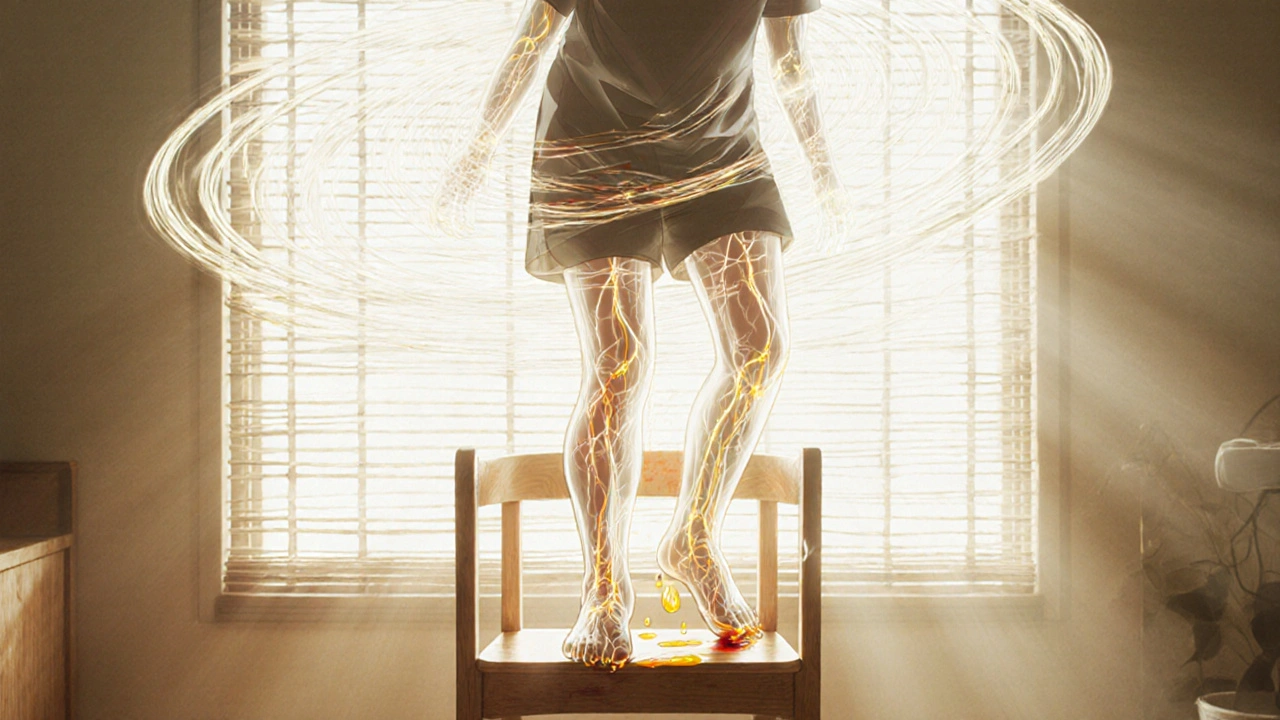
Orthostatic Hypotension: Causes, Risks, and What You Can Do
When you stand up too fast and feel like the room is spinning, that’s not just being clumsy—it could be orthostatic hypotension, a drop in blood pressure upon standing that leads to dizziness, blurred vision, or even fainting. Also known as postural hypotension, it happens when your body can’t adjust blood flow quickly enough to keep your brain supplied with oxygen. This isn’t just an old-person problem. Young people on diuretics, those with diabetes, or even someone who’s been bedridden for days can experience it.
What’s really going on? Your autonomic nervous system, the part of your body that controls heart rate, blood vessel tightening, and blood pressure without you thinking about it is supposed to kick in when you stand. It tells your heart to beat faster and your blood vessels to squeeze tighter so blood doesn’t pool in your legs. But if this system is slow, damaged by medication, or just worn out from dehydration or aging, your blood pressure drops—fast. Low blood pressure, when it happens suddenly after standing, isn’t just a number on a machine—it’s a signal your body is struggling to adapt. Some meds, like those for high blood pressure, Parkinson’s, or depression, can make this worse. Even a hot shower or a big meal can trigger it.
You might think, "I just get dizzy sometimes—it’s no big deal." But repeated episodes increase your risk of falls, fractures, and even strokes over time. People over 65 are most at risk, but if you’re on multiple medications, have heart problems, or spend long hours sitting or lying down, you’re not immune. The good news? Simple changes help. Drink more water. Stand up slowly. Wear compression socks. Avoid alcohol and heavy meals before standing. And if it keeps happening, talk to your doctor—not just about your blood pressure, but about everything you’re taking.
Below, you’ll find real, practical advice from people who’ve been there. From how generic meds can trigger drops in pressure, to how pharmacists help patients manage side effects, to what diet and activity changes actually work—you’ll find no fluff, just clear steps you can use today.