Citrus Fruits Drug Interaction: What You Need to Know Before You Eat
When you bite into a grapefruit or sip orange juice with your pills, you might think you’re doing something healthy. But for many people taking common medications, that citrus fruit could be causing a citrus fruits drug interaction that’s serious—or even life-threatening. This isn’t a myth or a warning from an old doctor. It’s backed by real cases, FDA alerts, and years of clinical data. The problem? Citrus fruits block an enzyme in your gut called CYP3A4 that normally breaks down certain drugs. When that enzyme is shut down, your body absorbs way more of the medication than it should, turning a safe dose into a dangerous one.
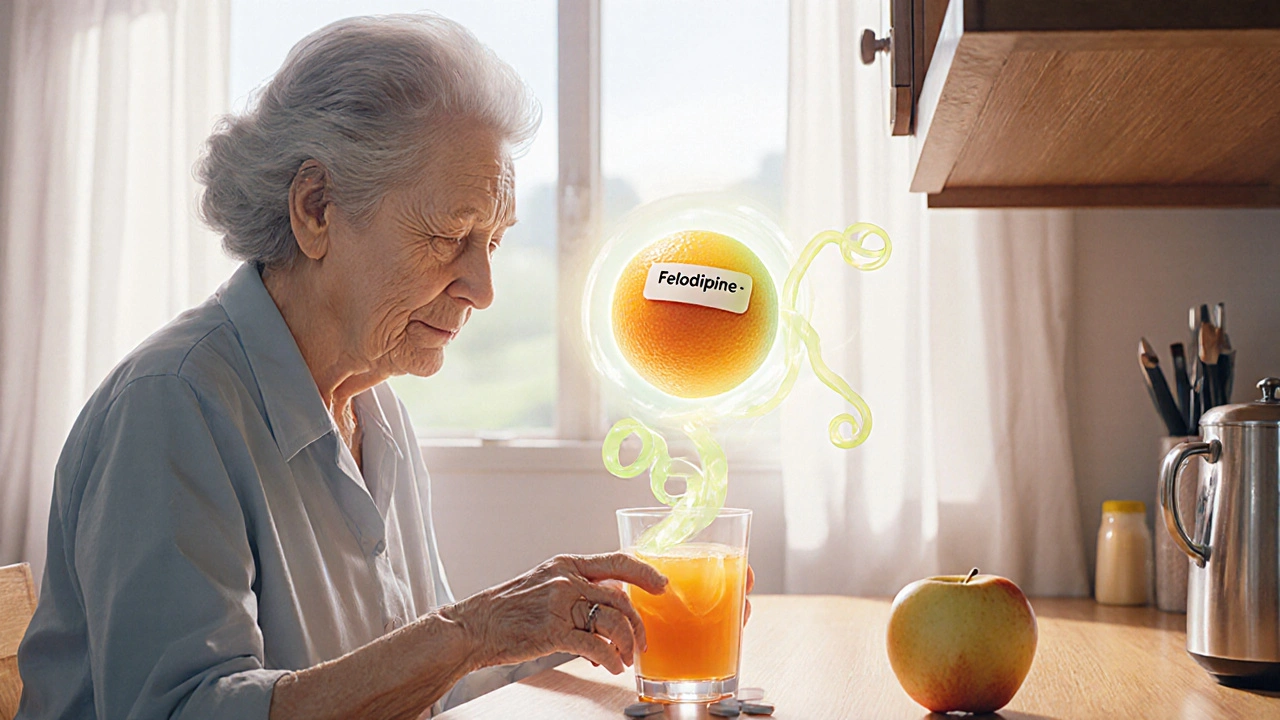
It’s not just grapefruit. Seville oranges, pomelos, and even some tangelos can do the same thing. And it doesn’t matter if you drink the juice, eat the fruit, or take a concentrate—it’s the compounds in the fruit itself that cause the issue. The effects can last more than 24 hours, so even taking your medicine hours after eating citrus won’t always help. This interaction affects drugs for high blood pressure, cholesterol, anxiety, arrhythmias, and even some cancer treatments. For example, if you’re on simvastatin for cholesterol, grapefruit can spike your blood levels by up to 15 times, raising your risk of muscle damage and kidney failure. Or if you take felodipine for blood pressure, a single grapefruit can send your pressure crashing too low. These aren’t rare cases. The FDA has issued warnings for over 85 medications that react this way.
What makes this even trickier is that not everyone reacts the same way. Some people have more of the enzyme, some less. Age, liver health, and genetics play a role. But you can’t test for it. So if you’re on any prescription, especially one you’ve been on for a while, it’s safer to assume citrus could interfere. Your pharmacist can check your meds in seconds. Ask them: "Does any of this interact with citrus?" It’s a simple question that could prevent a hospital visit.
And it’s not just about avoiding grapefruit. Even if you don’t eat citrus, some supplements and herbal products contain similar compounds. Always read labels. If you’re switching meds, ask about food interactions upfront—not after you’ve already started. A lot of people only find out after they feel dizzy, nauseous, or weak—and by then, the damage might already be done.
Below, you’ll find real-world stories and data from patients and studies that show exactly which drugs are risky, how to spot the warning signs, and what to do if you’ve already mixed citrus with your pills. No fluff. No guesswork. Just what you need to stay safe.