
Tossing expensive medicine in the trash because you missed the expiration date is more than just a waste of money-it's a systemic failure that costs the U.S. healthcare system roughly $20 billion every year. Whether you are running a small clinic or managing a large pharmacy, the gap between when a drug is purchased and when it's actually used is where the money disappears. But here is the reality: most pharmaceutical waste is avoidable with the right set of habits and a few smart tools.
The Basics of Inventory Rotation
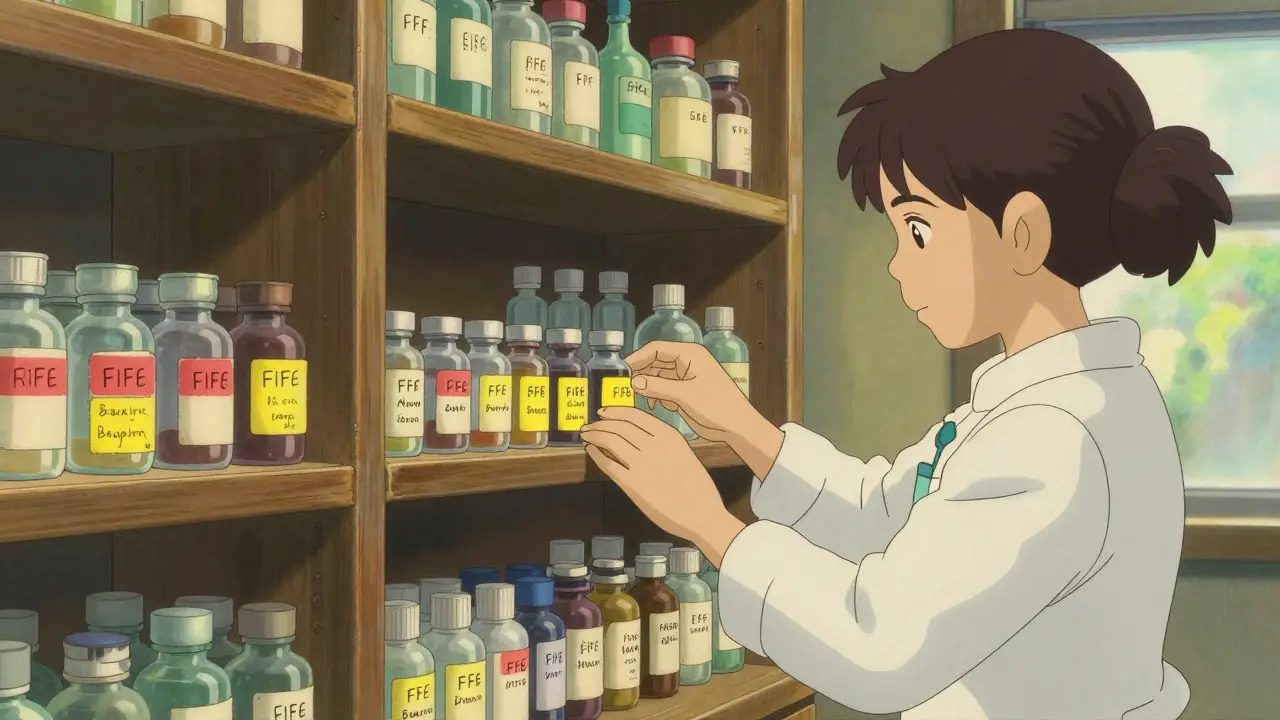
The most reliable way to stop medicines from expiring on the shelf is to implement a FIFO is a first-in-first-out inventory rotation system where the oldest stock is used first approach. It sounds simple, but in a busy medical environment, it's easy to push new shipments to the front and leave older vials at the back.
To make FIFO actually work, you can't just hope your staff remembers. You need a physical system. Many clinics use color-coded labels to flag medications that will expire within the next 30 days. This provides a visual cue that screams "use me first" to anyone reaching for a dose. If you're managing a smaller practice, a weekly expiration audit every Friday morning is a great habit to keep the shelves clean and the inventory fresh.
Mastering Storage and Stability
Expiration dates aren't just random numbers; they are tied to how a drug is stored. When temperature fluctuates, you effectively accelerate the expiration process, leading to waste even if the date on the box says the drug is still good. This is why following USP Chapter <797> is a set of standards for sterile compounding and pharmaceutical storage is non-negotiable.
Keep a close eye on these two primary zones:
- Refrigerated items: These must stay between 36-46°F (2-8°C). A power outage or a fridge left ajar can ruin thousands of dollars in biologics in a matter of hours.
- Room temperature items: These should be kept between 68-77°F (20-25°C). Avoid storing meds near windows or heaters where "hot spots" can degrade the active ingredients.
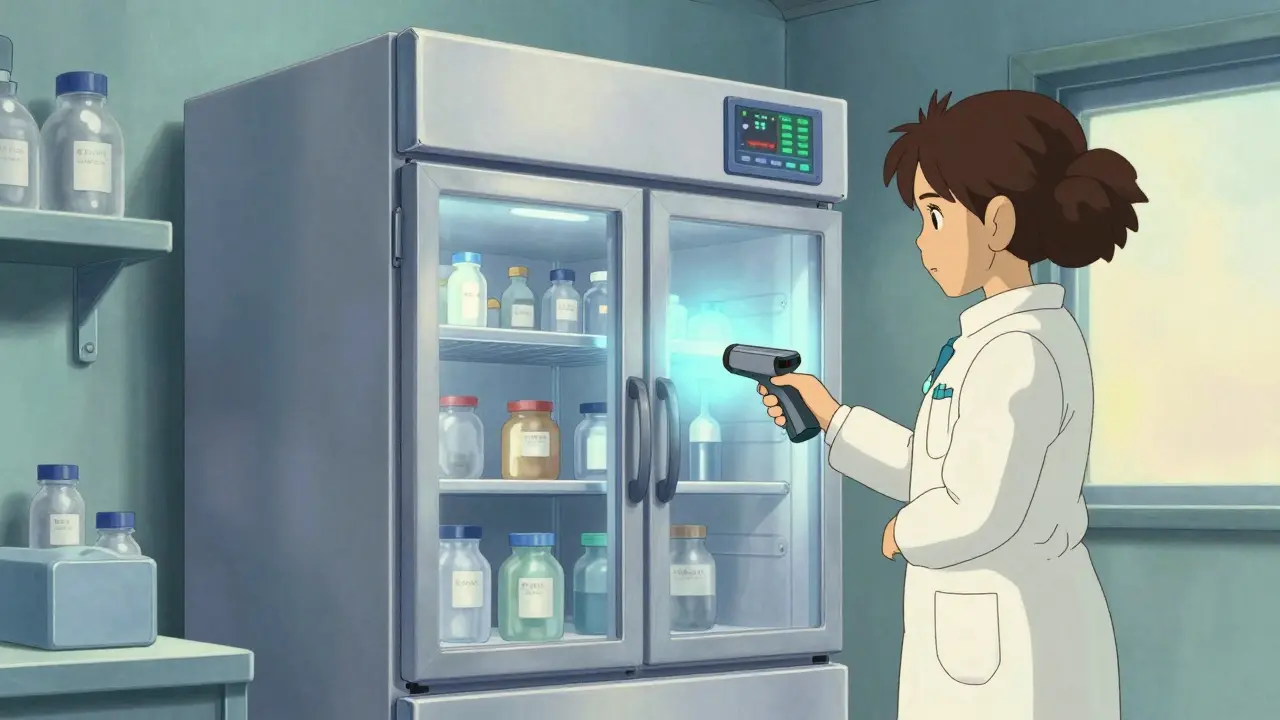
If you're still relying on a manual thermometer and a clipboard, you're taking a big risk. Digital monitoring systems that alert you the moment a temperature excursion occurs can save you from the kind of $8,000 loss some rural clinics have faced due to undetected fridge failures.
| Feature | Manual Systems | Cloud-Based Platforms | Dose-Dispensing Systems |
|---|---|---|---|
| Best For | Clinics with <10 providers | Mid-to-large facilities | High-volume pharmacies |
| Waste Reduction | 15-20% | 22-30% | Up to 34% |
| Annual Cost | <$5,000 | $8,000 - $15,000 | $12,000 - $20,000 (Initial) |
| Accuracy | Prone to human error | 99.8% (with barcodes) | Very High |
Leveraging Technology to Predict Waste
If your volume is high, you can't possibly track every vial by hand. This is where Electronic Health Records (EHR) systems like Epic or Cerner come into play. These aren't just for patient notes; they can be used to optimize dosing. For instance, using a pharmacist dashboard to analyze prescribing patterns can reduce duplicate prescriptions by 27%.
The real game-changer is barcode scanning. When you scan a medication in and out, the system tracks the specific lot number and expiration date. Instead of a staff member hunting through a drawer to find what's expiring, the system generates an automated alert 30 days before a drug hits its date. This transforms your workflow from reactive (finding expired meds) to proactive (using meds before they expire).
Smart Dispensing Strategies
One of the biggest causes of waste happens at the patient level. Patients often leave medications unfinished, which then expire in their home cabinets. Dr. Sarah Thompson from the Mayo Clinic suggests that dispensing smaller quantities-specifically aligned with the actual treatment duration-can cut waste by up to 37% for chronic conditions.
Consider implementing "split-fill" prescriptions. Instead of giving a patient a 90-day supply that they might stop taking after two weeks, provide a smaller amount and refill as needed. While this adds a bit of administrative work, it significantly boosts patient adherence and ensures that expensive medications don't just end up as pharmaceutical waste.
The Right Way to Dispose of What's Left
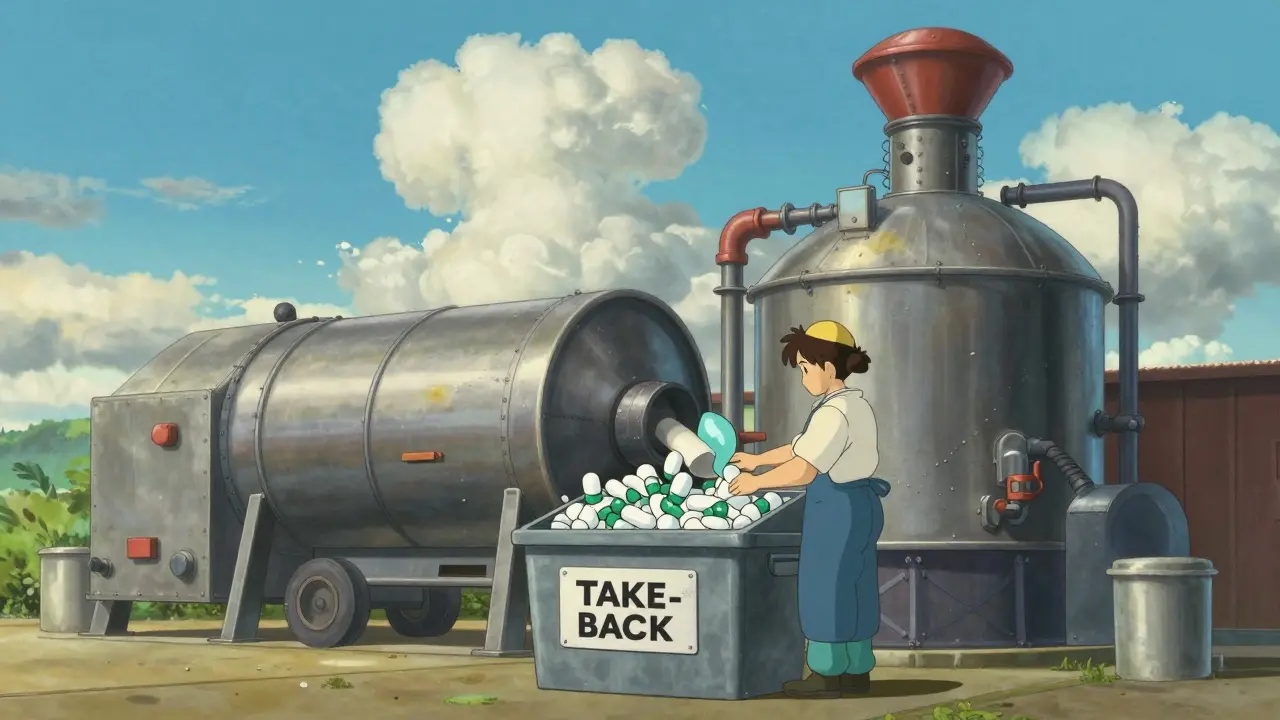
Despite your best efforts, some waste is inevitable. However, how you get rid of it matters. Many facilities still make the mistake of throwing hazardous drugs in the landfill, but the EPA is the United States Environmental Protection Agency, which regulates hazardous waste disposal is clear: incineration is the only environmentally safe method for hazardous pharmaceuticals.
For the medications that do expire, look into official take-back programs. The FDA has expanded these programs to include thousands of collection sites, making it easier to get expired drugs out of the community and into a controlled destruction stream. If you're dealing with specific high-risk medications like opioids, check the updated FDA "flush list" to see which items require immediate, specific disposal methods to prevent accidental ingestion or diversion.
Staff Training and Cultural Shift
You can buy the most expensive software in the world, but if your staff isn't trained, it's just a fancy paperweight. Comprehensive training on aseptic techniques and sterile compounding is the foundation of waste reduction. Facilities with robust training programs see about 28% less waste than those without.
The hardest part of this is often the "we've always done it this way" mentality. To overcome staff resistance, some clinics have linked waste reduction targets to performance bonuses. When the team has a financial stake in reducing waste, the transition to new protocols like FIFO or digital tracking happens much faster.
Are medications always ineffective the day after they expire?
Not necessarily. While the expiration date is the official limit for guaranteed potency, stability data often shows many medications remain effective beyond that date. However, for critical drugs like insulin or nitroglycerin, potency drops quickly, making the date vital. Always follow official guidelines for safety.
How often should I perform expiration audits?
A weekly audit is the gold standard. Doing this on a consistent day, such as Friday mornings, ensures that no medication slips through the cracks and allows you to adjust your ordering for the following week based on what is nearing expiration.
What is the most cost-effective way for a small clinic to reduce waste?
For clinics with a limited budget, a combination of a strict FIFO (First-In, First-Out) system, manual weekly audits, and staff training is the most cost-effective approach. These methods don't require expensive software but can still reduce waste by 15-20%.
How does split-filling help prevent waste?
Split-filling involves giving patients smaller quantities of a drug rather than a full 30 or 90-day supply. This prevents waste if a patient's treatment plan changes, if they experience adverse side effects, or if they stop taking the medication entirely.
Why is incineration preferred over landfilling for drugs?
Pharmaceuticals can leach into the soil and groundwater if placed in a landfill, contaminating local water supplies and ecosystems. High-temperature incineration breaks down the chemical compounds, making it the only environmentally safe disposal method for hazardous drugs.