

Complementary Treatment Evidence Checker
Select a treatment below to see its clinical evidence strength, primary use, and critical safety warnings based on the article's evidence.
Click on a treatment to view detailed evidence and risk profiles.
Treatment Name
-
The Best Options for Nausea and Digestion
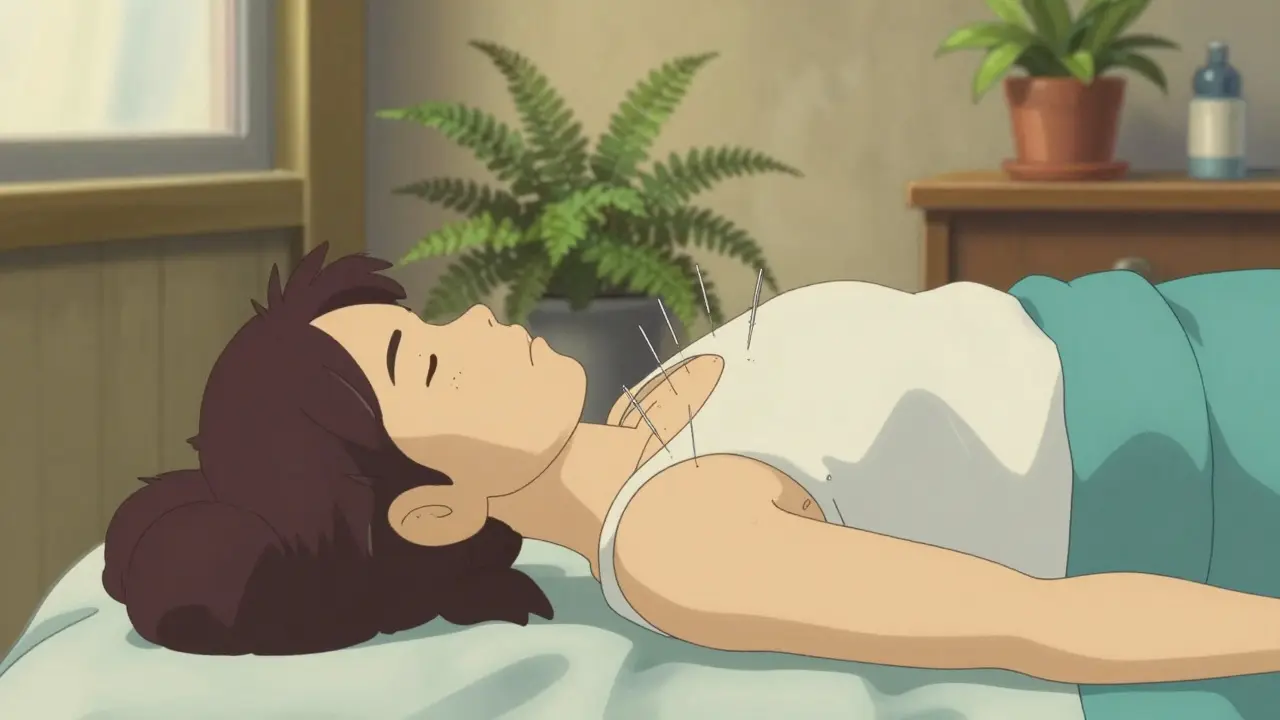
If you're battling the stomach-turning effects of chemotherapy or strong antibiotics, there are a few options with genuine clinical backing. Many people turn to ginger because it's accessible and generally safe. In a 2013 study published in the Journal of Pain and Symptom Management, taking 0.5 to 1.0g of Ginger (Zingiber officinale) daily reduced chemotherapy-induced nausea by about 40%. For those looking for a non-ingestible option, Acupuncture is one of the most researched complementary therapies. A 2017 meta-analysis in JAMA Oncology found a 36% reduction in chemotherapy-induced nausea compared to sham treatments. It doesn't just help with stomach issues either; patients often report it helps with the nerve pain (neuropathy) associated with drugs like taxol. If you're dealing with opioid-induced constipation, a 2020 Cochrane review suggests acupuncture could be 32% more effective at reducing symptoms than standard care alone.Heart Health and Cardiovascular Support
When it comes to heart medications, the stakes are higher because the organs involved are so critical. You might see Hawthorn (Crataegus spp.) recommended for cardiovascular support. According to a 2022 American Heart Association statement, it's generally well-tolerated. However, it's a bit of a grey area-while it may play well with ACE inhibitors or beta-blockers, there's conflicting evidence on how it interacts with digoxin, a common heart failure medication. Then there's L-arginine. Used for vascular support, it's usually fine at doses of 12g or less per day, but it can cause gastrointestinal upset in some people. The key takeaway here is that "natural" doesn't mean "neutral." Even a simple supplement can change how your heart medication regulates blood pressure or fluid levels, which is why professional monitoring is non-negotiable.| Treatment | Primary Use | Evidence Strength | Main Risk/Interaction |
|---|---|---|---|
| Acupuncture | Nausea, Pain, Constipation | High | Very low risk; minimal interactions |
| Ginger | Chemotherapy Nausea | Moderate to High | Low; potential blood thinning at high doses |
| Hawthorn | Cardiovascular Support | Moderate | Potential interaction with Digoxin |
| L-arginine | Blood Flow/Heart Health | Moderate | Gastrointestinal distress |
| Antioxidants | General Wellness | Mixed/Low | May protect cancer cells from chemotherapy |
The Danger Zone: When "Natural" Becomes Risky
Not every supplement is a helper. Some can actually be dangerous. Take Blue Cohosh, which can cause tachycardia (fast heart rate) and high blood pressure. Similarly, Lily of the Valley can cause hypokalemia-dangerously low potassium levels-especially if you're already taking digoxin. There's also the issue of timing and chemistry. Cancer Research UK has warned that taking high-dose antioxidants (like vitamins A, C, and E) during chemotherapy or radiotherapy might actually protect the cancer cells from the treatment, making your primary medicine less effective. This is a critical point: a supplement that is "healthy" in a vacuum can be harmful during a specific medical treatment. Common kitchen staples can also cause issues. Garlic is generally healthy, but in concentrated supplement form, it can interact with blood thinners like aspirin or blood pressure meds like lisinopril. Because the supplement market is loosely regulated, you might also be taking ingredients you don't even know are in the bottle, increasing the risk of unexpected reactions.How to Safely Integrate Complementary Care
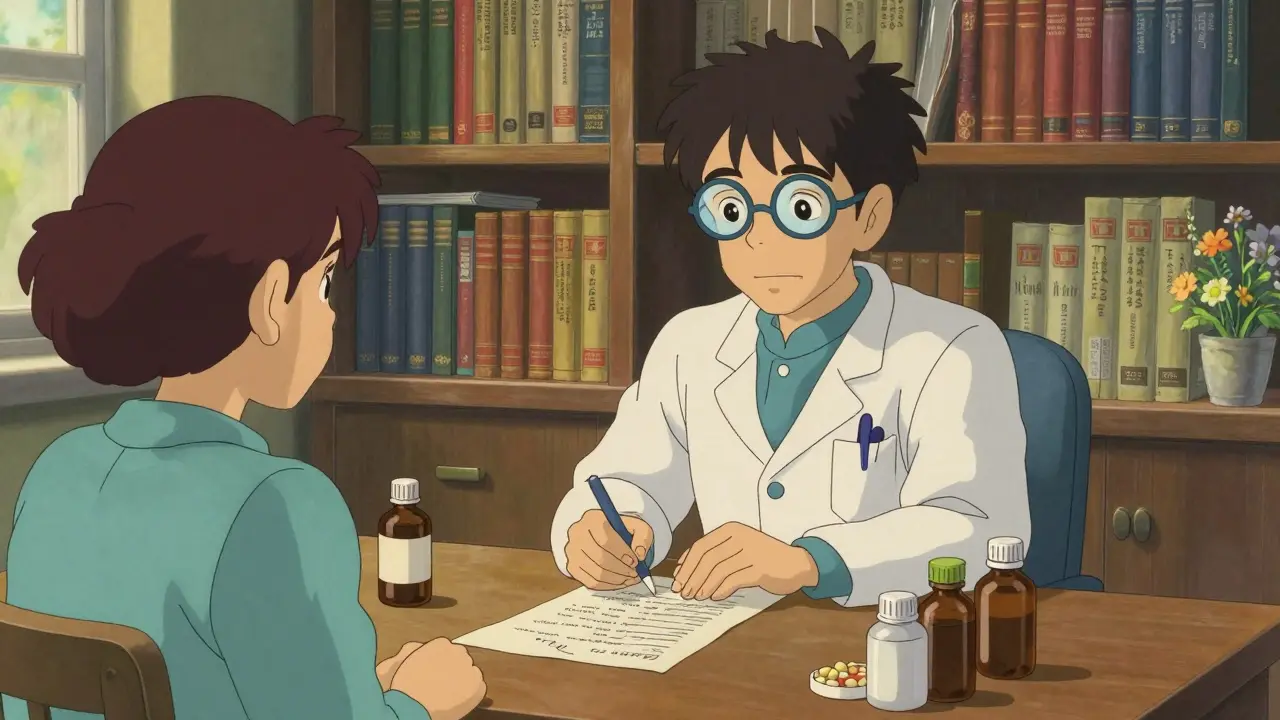
If you want to try these options, you need a strategy. The biggest mistake patients make is keeping their supplement use a secret. A UK hospital study found that only about 21% of patients told their doctors about the complementary treatments they were using. This is a huge safety gap. Your doctor cannot check for drug interactions if they don't know what you're taking. Start by making a complete list of everything you take-prescriptions, over-the-counter meds, herbal teas, and vitamins. Bring this to your appointment. If you're looking for a way to check interactions on your own, tools like the Memorial Sloan Kettering "About Herbs" app or the NCCIH interaction checker are great starting points, though they don't replace a doctor's advice.When starting a new complementary treatment, follow these rules of thumb:
- Never stop a prescribed medication or change the dose to start a supplement.
- Introduce one new treatment at a time so you know exactly what's causing a reaction if one occurs.
- Stick to reputable brands with third-party testing to avoid contaminated products.
- Monitor your symptoms daily and keep a log of any changes in your mood, energy, or digestion.
Why Some Treatments Work Better Than Others
Why does acupuncture have stronger evidence than most herbs? It comes down to how they work. Acupuncture targets the nervous system and physical pathways to block pain or signal the brain to stop nausea. It doesn't introduce a chemical compound into your bloodstream, which means there's almost zero chance it will chemically clash with your medication. Herbs and supplements, on the other hand, are biochemical. They enter your liver and kidneys, which is exactly where most prescription drugs are processed. If a supplement and a drug both use the same enzyme to break down, the drug can build up to toxic levels in your blood, or it can be flushed out too quickly to work. This "metabolic competition" is why herbal remedies require much stricter monitoring than physical therapies like massage or acupuncture.Can I take vitamins while undergoing chemotherapy?
You should be very cautious. While vitamins are generally healthy, some antioxidants (like Vitamins A, C, and E) may protect cancer cells from the damage chemotherapy is trying to cause. Always consult your oncology team before adding any supplements to your regimen.
Is acupuncture safe if I am on blood thinners?
Generally, yes, but you must tell your acupuncturist. Because blood thinners increase the risk of bruising, the practitioner needs to adjust their technique. It is one of the safest complementary options as it doesn't interfere with the drug's chemistry.
Does ginger actually work for nausea?
Yes, there is solid evidence for this. Clinical studies have shown that 0.5-1.0g of ginger daily can significantly reduce chemotherapy-induced nausea, often working better when combined with standard anti-emetic drugs than the drugs alone.
What is the most dangerous complementary treatment for heart patients?
Treatments like Lily of the Valley can be dangerous because they can cause hypokalemia (low potassium), which is critical for heart function, especially for those taking digoxin. Blue Cohosh is also risky due to potential tachycardia and high blood pressure.
How do I know if a supplement is causing a side effect?
The best way is to track your symptoms. If you start a supplement and suddenly experience new dizziness, rashes, or digestive issues, stop the supplement and contact your doctor. Remember that some side effects may be a result of the supplement interacting with your medication, rather than the supplement itself.