
Caffeine Medication Timing Checker
Check Your Caffeine Timing
Select your medication and time taken to see when you can safely consume caffeine.
Most people don’t think twice about grabbing a cup of coffee with their morning pills. But what if that coffee is quietly making your medication work worse-or even dangerous? Caffeine isn’t just a pick-me-up. It’s a powerful chemical that interferes with how your body processes dozens of common drugs. And the effects aren’t theoretical. People are ending up in the ER because they didn’t know their daily latte was messing with their heart medicine, thyroid pill, or antidepressant.
Why Caffeine Interferes with Medications
Caffeine doesn’t just wake you up. It changes how your liver breaks down drugs. It blocks an enzyme called CYP1A2, which handles about 10-15% of all prescription medications. When caffeine sits in your system, it crowds out other drugs trying to get processed. That means those drugs stick around longer than they should-sometimes at toxic levels-or get cleared too fast, leaving you without enough medicine to work. It’s not just about liver enzymes. Caffeine also acts like a fake key in your body’s receptors. It blocks adenosine, a natural chemical that slows your heart and calms your nervous system. That’s why caffeine makes you feel alert. But when you’re taking drugs that rely on adenosine to work-like heart stress test agents-caffeine literally cancels them out.Warfarin: When Coffee Makes Blood Thinners Too Strong
If you’re on warfarin (Coumadin), your INR levels are carefully monitored to keep your blood from clotting or bleeding too much. Now add coffee. Research shows that caffeine can raise your INR by 15-25% within 24 hours. That might not sound like much, but it’s enough to turn a safe dose into a bleeding risk. One study tracked patients who drank two cups of coffee daily while on warfarin. Their INR climbed out of the target range in under a week. The American Heart Association now recommends keeping caffeine under 200 mg per day (about two cups of coffee) and, more importantly, keeping your intake consistent. A sudden switch from three cups to none? That can crash your INR. The same goes for switching from tea to espresso. Stability matters as much as amount.Thyroid Medication: The 60-Minute Rule
Levothyroxine (Synthroid, Levoxyl) is one of the most commonly prescribed drugs in the U.S. And it’s one of the most sensitive to caffeine. A 2017 study with 98 patients found that drinking coffee within an hour of taking the pill cut absorption by 25-57%. That means your body wasn’t getting the full dose. One patient on Reddit described how her TSH level jumped from 1.8 to 4.5 after years of stability-until she started waiting 60 minutes after her pill before drinking coffee. Her levels returned to normal. The Endocrine Society’s official guideline? Take your thyroid medication with water, wait 30-60 minutes, then have your coffee. Even decaf coffee contains 2-15 mg of caffeine. If you’re highly sensitive, skip it entirely in the morning.Cardiac Stress Tests: Why You Must Go Caffeine-Free for 24 Hours
If your doctor orders a cardiac stress test, they’re probably using adenosine or dipyridamole to stress your heart and see how it responds. These drugs work by activating adenosine receptors. Caffeine blocks those same receptors. So if you had a cup of coffee 12 hours before your test? The test won’t work. Your heart won’t respond the way it should. Results come back inconclusive. You have to reschedule. The American College of Cardiology’s 2023 guidelines are crystal clear: no caffeine for 24 hours before the test. That includes tea, soda, energy drinks, chocolate, and even some pain relievers with caffeine. Patients who ignore this often end up with repeat tests, extra costs, and delayed diagnoses.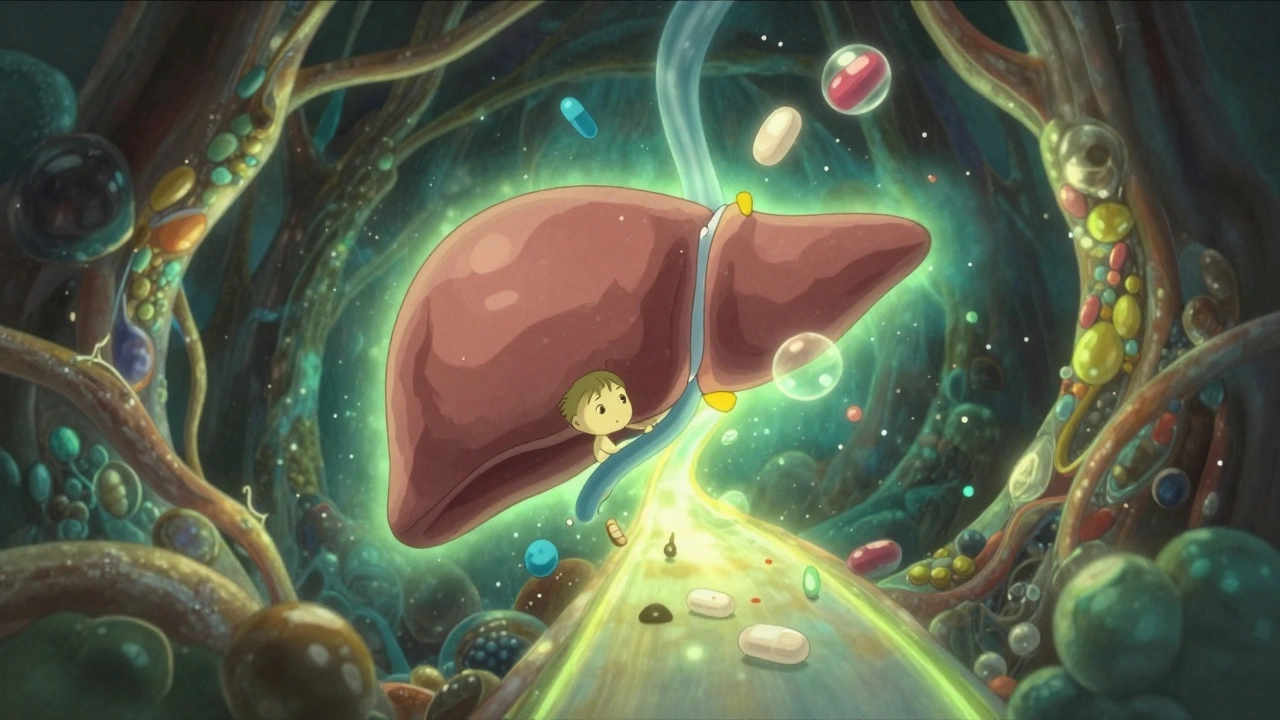
Antidepressants: Coffee Can Make Anxiety Worse-or Kill the Effect
Caffeine and antidepressants don’t play nice. With SSRIs like fluvoxamine (Luvox) and escitalopram (Lexapro), caffeine reduces absorption by about 33%. That means you’re not getting the full benefit. At the same time, caffeine can amplify side effects. People on these drugs often report jitteriness, racing heart, and panic attacks they didn’t have before. With tricyclics like amitriptyline, the opposite happens: caffeine slows the liver’s ability to break them down. Plasma levels can rise 20-40%, leading to dizziness, dry mouth, and even heart rhythm problems. Harvard Health warns that this combination is especially risky for older adults. If you’re on antidepressants and suddenly feel more anxious, restless, or have trouble sleeping, check your caffeine intake before assuming it’s the medication failing.Seizure Medications: Caffeine as a Trigger
For people with epilepsy, caffeine isn’t just a bother-it’s a potential trigger. Studies in Epilepsy & Behavior found that patients taking carbamazepine, phenytoin, valproate, or other seizure drugs had 18-35% more seizures when consuming regular caffeine. The mechanism? Caffeine lowers the seizure threshold. It makes brain cells more excitable. Even moderate amounts-like two cups of coffee-can tip the balance in vulnerable people. If you’re on seizure medication and notice more episodes, cutting caffeine might be the simplest fix. No new drug needed. Just a change in coffee habits.Stimulants and Cold Meds: The Perfect Storm
Combining caffeine with stimulants like Adderall, Ritalin, or even pseudoephedrine (Sudafed) is like stepping on the gas while holding the brake. Both raise heart rate and blood pressure. University Hospitals reported heart rate spikes of 20-35 beats per minute and systolic blood pressure jumps of 15-25 mmHg within 45 minutes of taking both. For someone with high blood pressure or heart disease, this can be dangerous. Diabetics face another risk: pseudoephedrine with caffeine can spike blood sugar by 15-25 mg/dL and raise body temperature by half a degree. That’s enough to throw off insulin dosing. The 2025 clinical update from University Hospitals recommends avoiding caffeine for 4-6 hours after taking pseudoephedrine-containing cold medicines.What About Aspirin and Caffeine?
Some pain relievers combine aspirin with caffeine (Excedrin, Anacin). The FDA says this combo is safe for most people. But European studies suggest that high doses of caffeine with aspirin might increase stomach bleeding risk. It’s not a clear-cut danger, but if you’re prone to ulcers or take blood thinners, it’s worth asking your pharmacist. Don’t assume “it’s in the same pill” means it’s harmless.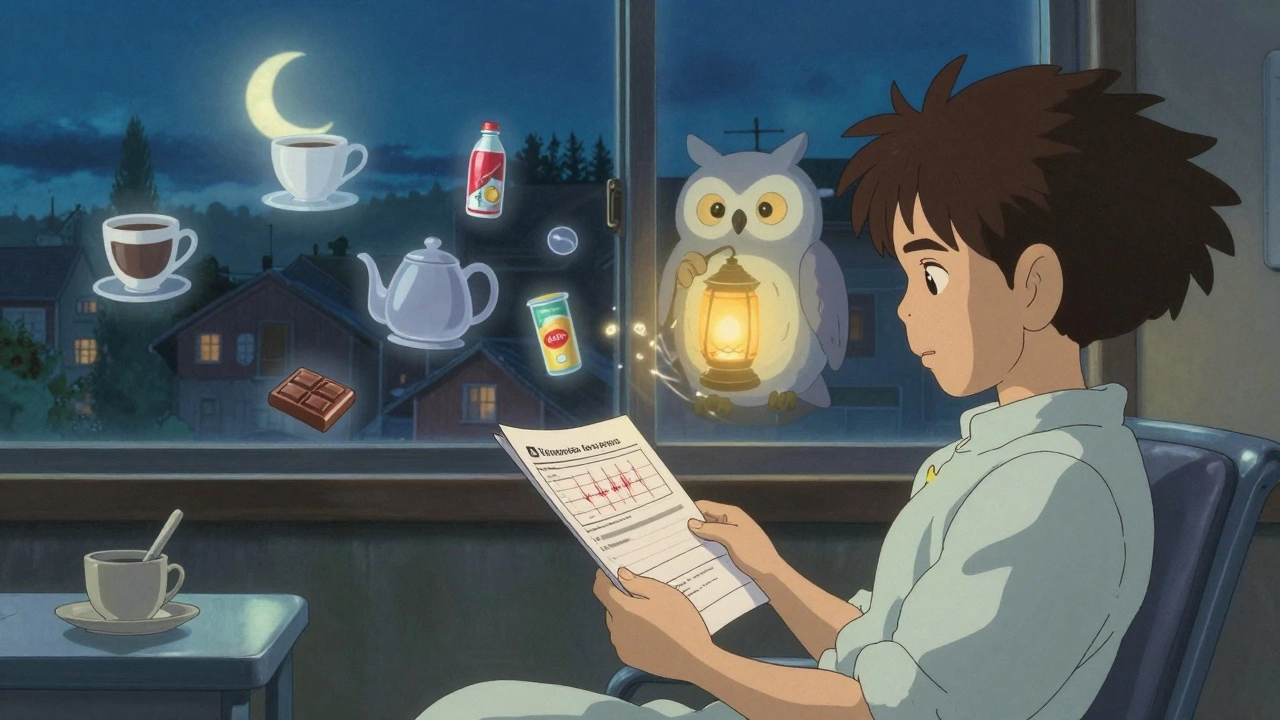
How to Stay Safe: Practical Rules
You don’t have to give up coffee. You just need to time it right. Here’s what works:- Thyroid meds (levothyroxine): Wait 60 minutes after taking your pill before drinking coffee.
- Warfarin: Keep caffeine under 200 mg/day (2 cups of coffee) and don’t change your intake suddenly.
- Antidepressants: Avoid coffee within 2 hours of taking fluvoxamine, escitalopram, or amitriptyline.
- Stimulants (Adderall, Ritalin): Skip caffeine in the morning. Use tea or water instead.
- Cardiac stress tests: No caffeine for 24 hours. Not even decaf.
- Seizure meds: Limit caffeine to one cup per day-or eliminate it if seizures worsen.
- Cold meds with pseudoephedrine: Avoid caffeine for 4-6 hours after taking.
And remember: decaf isn’t caffeine-free. It still has 2-15 mg per cup. If you’re ultra-sensitive, even that’s too much.
When to Call a Doctor
Some reactions need immediate attention. If you experience any of these after combining caffeine and medication:- Heart rate over 120 bpm
- Blood pressure over 180/110
- Difficulty breathing
- Confusion, vision changes, or loss of coordination
- Twitching, rigid muscles, or shaking
- Worsening depression or suicidal thoughts
- Seizures or altered mental state
Call 911 or go to the ER. These aren’t side effects-they’re warning signs.
Why This Isn’t Just a ‘Coffee Problem’
Eighty-five percent of Americans drink caffeine daily. Nearly half take at least one prescription drug. That means over 150 million people are at risk of these interactions. The American Pharmacists Association estimates these mix-ups cost the U.S. $1.2 billion a year in avoidable ER visits, hospitalizations, and repeat tests. And it’s preventable. Most patients don’t know about these risks because no one told them. Pharmacists are now required to flag caffeine interactions in electronic systems, but if you’re not asking, you’re not protected. Talk to your pharmacist. Read the medication guide. Don’t assume your doctor will mention it. They’re busy. You’re the one taking the pill and drinking the coffee.What’s Next?
Researchers are working on better tools. The NIH is studying how caffeine affects newer blood thinners like Eliquis. The FDA is pushing for genetic tests to find people with CYP1A2 mutations who process caffeine slowly-and are at higher risk. Soon, smartphone apps might scan your meds and warn you if your coffee could interfere. But until then, the best protection is simple: know your meds. Know your caffeine. And don’t mix them without checking.Can I drink decaf coffee with my medications?
Decaf coffee still contains 2-15 mg of caffeine per cup. For most people, that’s harmless. But if you’re on thyroid medication, seizure drugs, or certain antidepressants, even that small amount can interfere. If you’re sensitive or your doctor advised strict avoidance, skip decaf too. Water is always the safest choice with pills.
How long does caffeine stay in my system?
Caffeine’s half-life is about 5 hours on average, but it can last 8-14 hours in some people-especially those with liver issues, pregnant women, or those taking certain antibiotics. If you’re on warfarin, thyroid meds, or seizure drugs, assume caffeine is active for at least 8 hours. That’s why timing matters more than just avoiding it in the morning.
Does tea have the same effect as coffee?
Black tea has about half the caffeine of coffee-around 40-70 mg per cup. Green tea has even less. But it still contains enough to interfere with medications. If your doctor told you to avoid caffeine, tea counts. For thyroid or cardiac stress tests, treat tea the same as coffee. Herbal teas like chamomile or peppermint are caffeine-free and safe.
Can I switch to energy drinks instead of coffee?
No. Energy drinks often contain 200-300 mg of caffeine per serving-more than two cups of coffee. They also include sugar, stimulants like taurine, and other additives that can worsen interactions. If you’re on heart or psychiatric meds, energy drinks are riskier than coffee. Stick to water or herbal tea.
Should I tell my pharmacist about my coffee habits?
Absolutely. Pharmacists now screen for caffeine interactions in electronic systems, but they can’t know your habits unless you tell them. Say: “I drink two cups of coffee every morning.” That simple phrase helps them catch dangerous combos before you even leave the pharmacy. Many now offer free med reviews-take advantage.
soooo... the government knows this but lets us die slow? coffee is laced with fluoride and glyphosate anyway and now they want us to drink it with pills? lol. theyre not trying to heal us theyre trying to keep us dependent. i saw a video where a pharmacist said the same thing but got fired. wake up sheeple.
Respected author, your exposition on the pharmacokinetic interactions between caffeine and therapeutic agents is both meticulous and profoundly instructive. The empirical data cited, particularly regarding CYP1A2 enzyme inhibition and adenosine receptor antagonism, underscores the critical necessity for patient education in clinical pharmacology. I commend your adherence to evidence-based guidelines and urge wider dissemination of such content through public health channels.
Of course you’re telling people to stop drinking coffee. Just like you told them to stop eating fat, then sugar, then gluten, then now caffeine. Everyone’s a victim except the people who make the pills. Wake up. Big Pharma doesn’t care if you live or die-they care if you keep buying. You think your doctor actually knows this stuff? Nah. They read a two-page summary while eating a donut.
Decaf isn't safe. It's still caffeine. They lie about the amounts. Your thyroid is watching.
Man, this is one of those posts that makes you pause and actually think. I’ve been taking levothyroxine for 5 years and never knew coffee could tank my absorption. I’ve been drinking it 10 minutes after my pill. No wonder my TSH was all over the place. Going to start waiting an hour now. Thanks for the clarity.
theyre testing us with this coffee thing and the pills its all part of the plan to make us sick so they can sell us more drugs and the decaf is just a trap the real caffeine is in the water supply
oh my god i had no idea. i drink coffee with my antidepressants every morning and i’ve been feeling so anxious lately. i thought it was just stress. i’m switching to water for 10 minutes after my pill. thank you for this. you just saved my mental health.
Wow. So the solution to a 150 million person public health issue is... don’t drink coffee? That’s it? You didn’t mention that caffeine is a natural compound found in plants, or that humans evolved with it, or that the real problem is overprescribing drugs that interact with basic biology. But sure, blame the coffee. Much easier than fixing the system.
I used to think caffeine was just a mood booster, but now I see it’s like a tiny saboteur in my liver, whispering lies to my enzymes. It’s wild how something so ordinary-black, hot, bitter-can quietly unravel a carefully calibrated medical regimen. I’ve started sipping tea after my pills now. It feels like a small act of rebellion against the chaos.
It’s fascinating how a simple ritual-morning coffee-can become a silent variable in a complex biological system. Maybe the real lesson isn’t about avoiding caffeine, but about cultivating awareness. What if we treated our bodies like ecosystems instead of machines? We wouldn’t just take pills and drink coffee-we’d listen.
you know what’s really scary? they’ve been putting caffeine in the water since the 90s to keep us docile. i read it on a forum. your thyroid is being manipulated. and now they want you to stop coffee so you don’t notice? classic. i only drink herbal tea now. and i only drink from glass bottles. they can’t poison the glass.
Let me be clear: this is not about coffee. This is about the moral decay of modern medicine. You are being manipulated into believing that a chemical interaction is the problem, when the real problem is the commodification of health. The pharmaceutical industry profits from your ignorance. Your coffee is not the enemy-your blind trust in pills is. Wake up. Question everything.
Wow. So if I don't drink coffee I'm a good person? What's next? No breathing? No blinking? Caffeine is a plant toxin. So are arsenic and cyanide. Guess what? Your body handles it. You're not a lab rat. Stop being so scared of your own biology.