

Imagine standing in front of your doctor with a sore throat, ready to get treatment, only to have them hesitate because of a label in your medical file: 'Allergic to Penicillin.' You might recall a childhood rash, a stomach upset years ago, or even a reaction to something completely unrelated that got written down as an allergy. Here is the shocking truth: approximately 10% of people claim they are allergic to penicillin, yet recent evaluations show that up to 90% of those individuals can actually tolerate the medication safely.
This mislabeling isn't just a paperwork error; it changes the entire course of your treatment. When doctors avoid life-saving first-line antibiotics like penicillin due to unverified allergy labels, patients often end up taking broader-spectrum, more expensive, and sometimes less effective alternatives. Managing Medication Allergies involves understanding the difference between a true immune reaction and a minor side effect, ensuring accurate diagnosis, and knowing your options when the safest drug simply cannot be used.
Quick Summary: Key Takeaways
- Most Reported Allergies Are Inaccurate: Up to 95% of patients labeled as penicillin-allergic can safely receive penicillin after proper evaluation.
- True Allergy vs. Side Effect: Less than 10% of adverse drug reactions are actual allergic responses; most are intolerance or side effects.
- Documentation Matters: Accurate recording of the specific reaction, dose, and timing helps prevent future unnecessary avoidance.
- Alternative Options Exist: Macrolides and fluoroquinolones are viable backups but come with higher costs and resistance risks.
- Desensitization is Possible: For serious conditions like neurosyphilis, medical teams can build tolerance under supervision.
Understanding True Allergy vs. Side Effects
It is easy to assume every uncomfortable symptom after a pill is an allergy, but medically speaking, there is a massive gap between what we feel and what is actually happening inside our immune system. A true drug allergy triggers the immune system to mistakenly identify a harmless substance as a threat, leading to antibodies attacking the body. However, non-allergic side effects comprise more than 90% of adverse reactions. A simple rash, nausea, or stomach ache does not always mean your body is rejecting the drug through an allergic mechanism.
When we discuss Adverse Drug Reactions, we need to distinguish these clearly. A true IgE-mediated allergy usually presents with hives, swelling, trouble breathing, or anaphylaxis within minutes to hours of exposure. If the reaction happened days later, was only a mild skin irritation, or occurred after multiple doses, it might be metabolic intolerance rather than an immune response. This distinction is vital because misidentifying a side effect as an allergy leads to being flagged in Electronic Health Records as allergic forever, blocking access to better treatments.
Accurate Documentation Protocols
The way your medical history is recorded directly impacts your future safety and health outcomes. Guidelines from organizations like the National Institute for Health and Care Excellence (NICE) mandate specific data points to capture before labeling a patient. Healthcare providers must verify details such as the exact generic and proprietary name of the drug, the strength, and the formulation. Equally important is describing the reaction precisely-was it a blister? A fever? Difficulty swallowing?
You should ask for these details to be updated whenever you visit a clinic. A study published in JAMA Network Open noted that 43% of drug allergy information is missing or inconsistent during transitions between different healthcare systems. By ensuring the following is documented, you protect your care:
- Date and Time: Exactly when the reaction started relative to taking the dose.
- Number of Doses: How many times did you take it before symptoms appeared?
- Route of Administration: Was it an injection, a pill, or a cream?
- Treatment Received: Did you need antihistamines or steroids to manage the reaction?
Poor documentation creates a domino effect. Research indicates that inaccurate labeling leads to 69% higher odds of receiving broad-spectrum antibiotics. This increases your risk of secondary infections like Clostridium difficile by 26%. Keeping your records precise is an act of self-preservation.
Determining Safety Through Diagnostic Testing
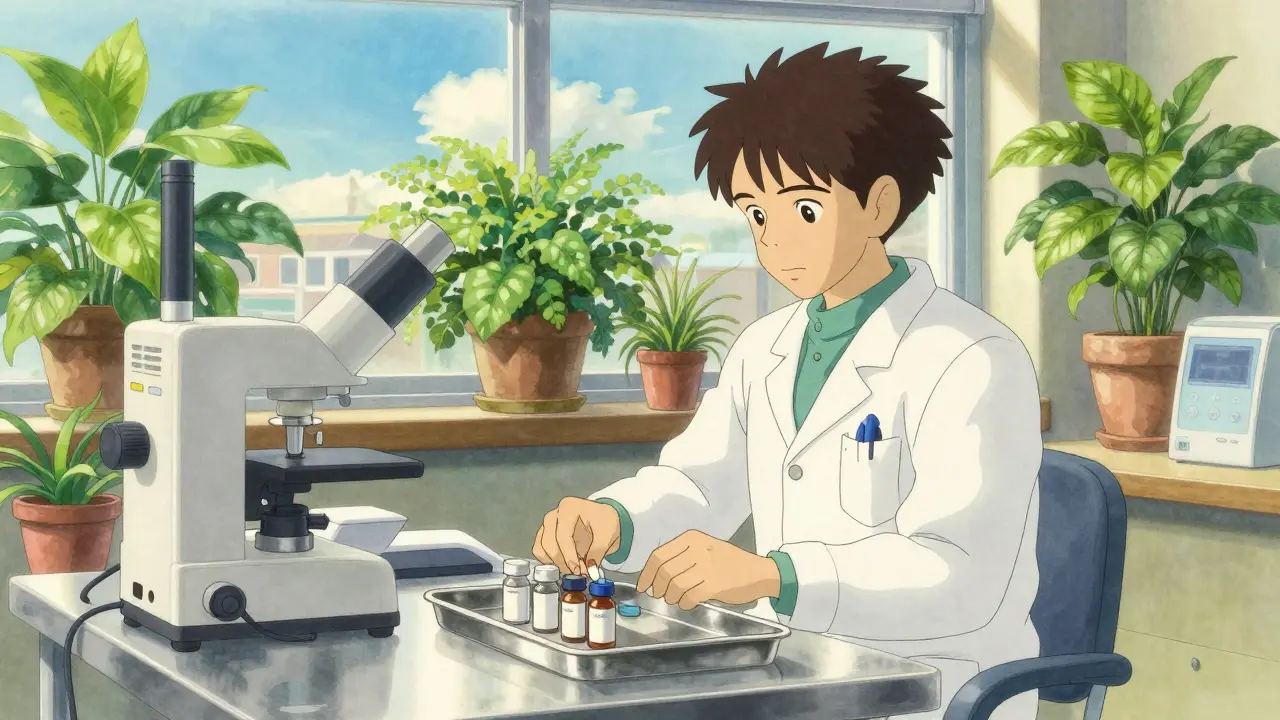
If your medical file carries a warning, is there a way to clear it? Yes. Formal diagnostic methods have advanced significantly since the 1940s. For common suspects like penicillin, allergists utilize skin testing. This involves applying small amounts of the suspected drug determinant to the skin to see if an immediate reaction occurs.
Testing protocols are rigorous. They often involve major determinants like benzylpenicilloyl polylysine and minor precursor solutions. While this sounds technical, the goal is straightforward: confirm if your immune system is primed to attack the medication. If skin tests are negative, doctors may proceed to an oral challenge, administering a supervised dose of the drug while monitoring you closely. Studies show that success rates for clearing false allergies exceed 80% when performed by experienced professionals in monitored settings.
| Method | What It Detects | Typical Setting | Reliability |
|---|---|---|---|
| Skin Prick Test | IgE-mediated immediate reactions | Allergy Clinic | High specificity for immediate hypersensitivity |
| Oral Challenge | Definitive confirmation of tolerance | Hospital/Supervised Clinic | Gold standard for ruling out allergy |
| Blood IgE Testing | Specific antibodies in serum | Laboratory | Moderate sensitivity, best combined with other tests |
Finding Safe Alternative Antibiotics
Even after confirming an allergy, you still need to treat the infection. Fortunately, modern medicine offers several backup classes of drugs. For someone allergic to beta-lactams (which includes penicillins and cephalosporins), alternatives often fall into three main groups: macrolides, fluoroquinolones, and tetracyclines.
However, switching isn't without trade-offs. Consider the economics and efficacy. A standard course of penicillin might cost around $4.00, whereas a typical alternative like azithromycin averages $25.99 for a five-day supply. Beyond cost, broader antibiotics contribute to antibiotic resistance, making bacterial infections harder to treat over time. Furthermore, alternatives carry their own side effect profiles. Fluoroquinolones, for instance, require warnings about tendon damage and nervous system effects in some cases.
For patients worried about cross-reactivity, it is crucial to know the risks. Historically, doctors assumed that if you reacted to penicillin, cephalosporins would cause the same issue. Recent data from the CDC challenges this, showing that cross-reactivity with third-generation cephalosporins like ceftriaxone is low in patients with confirmed IgE-mediated penicillin allergy. This knowledge opens more doors for treatment safety than previously thought.

When to Consider Desensitization
There are rare scenarios where the safest or only effective treatment is a drug you are allergic to. This happens with conditions like neurosyphilis or severe infections where penicillin remains the gold standard. In these cases, Drug Desensitization becomes necessary. This process doesn't cure the allergy; instead, it temporarily tricks the immune system into tolerating the drug.
Medical teams administer a very small initial dose followed by increasingly larger doses every 15-30 minutes over several hours or days. Success rates are excellent, often exceeding 80%, but this must be done strictly in hospital environments equipped to manage anaphylaxis immediately if it occurs. It is a calculated risk taken because the danger of the untreated disease outweighs the risk of the allergic reaction.
Practical Steps for Patients
How do you navigate this as a regular person? Start by carrying a wallet-sized card listing your specific allergies and reactions, not just the word "allergic." Be proactive during appointments. If a doctor prescribes something new, ask, "Is this safe given my history?" Don't accept vague answers. If you had a reaction years ago, question whether it is still relevant. Many childhood allergies are outgrown, particularly to medications like codeine or penicillin.
Finally, stay vigilant about record transfers. When moving to a new region or hospital, request a copy of your allergy clearance results. With fragmented medical records being a major issue, having your own physical proof of testing ensures you aren't subjected to unnecessary limitations during emergencies.
Can outgrow a drug allergy?
Yes, many people outgrow drug allergies, especially penicillin. Statistics show that over time, immune sensitivity decreases, and re-evaluation years after the last reaction often clears the label.
Is a rash always an allergy?
No, a rash is frequently a side effect or viral exanthem. Only a small percentage of rashes indicate a true IgE-mediated allergic reaction requiring lifelong avoidance.
What is the safest test for penicillin allergy?
Skin testing followed by an oral challenge is considered the gold standard. It provides high confidence that the drug can be used safely or identifies a true allergy.
Why do doctors avoid penicillin so often?
They prioritize safety over verification. Without documented proof of tolerance, avoiding known triggers prevents potential anaphylaxis, even though many labels are incorrect.
Are cephalosporins safe for penicillin-allergic patients?
In most cases, yes. Modern third-generation cephalosporins have very low cross-reactivity with penicillin allergies, challenging older medical assumptions.
Next Steps and Troubleshooting
If you suspect your allergy label is wrong, seek an allergist who specializes in drug reactions. Ask for formal testing rather than relying on memory. If you experience an acute reaction in the future, stop the medication immediately. Seek emergency help if you notice breathing difficulties or swelling, as anaphylaxis requires epinephrine and hospital care. Proper management balances protecting your immediate safety while preserving long-term access to the most effective medicines available.